
If you’ve ever experienced a chemical burn on your face from skincare products, you know how alarming and painful it can be. Your skin, which is supposed to feel refreshed and glowing, suddenly becomes red, irritated, and sometimes blistered.
You might be wondering how to calm the burn quickly and protect your skin from further damage. The good news is, with the right steps, you can soothe your skin, promote healing, and avoid long-term issues like scarring or discoloration.
You’ll discover simple, effective ways to treat a chemical burn on your face—from immediate care to what to avoid—and when it’s crucial to seek medical help. Keep reading to learn how to take control and restore your skin’s health safely.
Signs Of Chemical Burns
Chemical burns on the face can cause serious skin damage. Recognizing the signs early helps prevent worsening and starts healing quickly. Watch for changes in your skin that go beyond simple irritation. These signs indicate the need for prompt care and attention.
Blisters And Peeling
Blisters often appear after a chemical burn. They are fluid-filled bubbles on the skin surface. Peeling or flaking skin follows as the burn heals. This shows deeper skin damage and needs gentle treatment. Avoid popping blisters to prevent infection and scarring.
Redness And Irritation
Redness is a common early sign of chemical burns. The affected skin looks inflamed and swollen. Irritation causes itching and a burning sensation. These symptoms may worsen if the skin stays in contact with the chemical. Immediate rinsing helps reduce redness and soothe irritation.
Pain And Sensitivity
Pain ranges from mild discomfort to sharp burning. The skin becomes very sensitive to touch or temperature. Even light contact can cause pain in the damaged area. Increased sensitivity means the skin barrier is compromised and healing is necessary.

Credit: www.ashpveda.com
Immediate Steps For Relief
Immediate care is critical after a chemical burn on the face. Acting fast can reduce damage and ease pain. Follow these steps carefully to help your skin heal.
Remove Dry Chemicals Carefully
Do not rub the affected area. Gently brush off any dry chemicals using a soft cloth or your fingers. Avoid spreading the substance to other parts of the skin. Removing the chemical quickly limits further damage.
Rinse With Lukewarm Water
Flush the burn with lukewarm water for at least 15 minutes. This helps wash away the chemical and cools the skin. Use a gentle, steady flow of water. Make sure the water is not too cold to prevent shock.
Avoid Hot Water
Do not use hot water on the burn. Hot water can worsen the injury and increase pain. It may also cause swelling and redness. Stick to lukewarm or cool water to soothe the skin safely.
Soothing And Protecting Skin
Soothing and protecting the skin after a chemical burn is crucial for quick healing and comfort. The skin barrier often suffers damage and needs gentle care to rebuild. Proper treatment reduces pain, prevents infection, and limits long-term damage.
Focus on calming the skin and creating a protective layer. Avoid harsh products or anything that might cause irritation. Use ointments and moisturizers that support skin repair and lock in moisture. Keeping the skin hydrated helps it heal faster and prevents dryness or cracking.
Apply Barrier Repair Ointments
Use ointments designed to restore the skin barrier. These contain ingredients like petrolatum or ceramides. They create a protective shield over the burned area. This shield keeps out bacteria and locks in moisture. Apply gently without rubbing or pressing hard. Use a clean fingertip or cotton swab to spread the ointment evenly.
Avoid Water-based Moisturizers
Water-based moisturizers can dry out damaged skin. They may cause stinging or irritation on burns. Stay away from gels and lotions that have alcohol or fragrances. These can worsen redness and slow healing. Opt for products that are free from harsh chemicals. Let the skin breathe while it heals.
Keep Skin Moisturized With Occlusives
Occlusive ingredients help seal moisture inside the skin. Examples include petroleum jelly and mineral oil. Apply them in a thin layer over the burn. This prevents water loss and keeps the skin soft. Moisturized skin is less likely to crack or peel. Reapply as needed, especially if the area feels dry or tight.
Monitoring And Preventing Infection
Monitoring and preventing infection is crucial after a chemical burn on your face. The skin is delicate and damaged, making it prone to bacteria and germs. Careful observation and hygiene help avoid complications and speed up healing.
Watch For Redness And Swelling
Redness and swelling can signal infection or worsening injury. Check the burn site daily. If redness spreads or swelling increases, seek medical advice. Early detection stops infection from spreading.
Check For Pus Or Discharge
Pus or unusual discharge indicates bacterial infection. Look for yellow, green, or cloudy fluid. This can cause more damage and slow healing. Report these signs to a healthcare provider immediately.
Keep The Area Clean
Clean the burn gently with mild soap and water twice a day. Avoid scrubbing or harsh chemicals that irritate the skin. Pat dry with a soft towel. Keeping the area clean reduces infection risk and promotes recovery.
Sun Protection After A Burn
Sun protection is very important after a chemical burn on the face. The skin becomes very sensitive and damaged. It needs extra care to heal well and avoid further harm.
Exposure to sunlight can cause pain and increase the risk of scarring. Protecting the skin helps it recover faster and prevents dark spots from forming.
Avoid Direct Sun Exposure
Keep your face out of direct sunlight as much as possible. Stay indoors during peak sun hours, usually between 10 a.m. and 4 p.m. If you must go outside, find shade or use an umbrella.
Use Gentle Sunscreens
Choose sunscreens made for sensitive or damaged skin. Look for mineral-based options with zinc oxide or titanium dioxide. These ingredients block the sun without irritating your skin.
Apply sunscreen generously and reapply every two hours. Avoid sunscreens with alcohol, fragrance, or harsh chemicals that can worsen the burn.
Wear Protective Clothing
Wear wide-brimmed hats to shield your face from the sun. Use scarves or soft cloths to cover exposed areas. Lightweight, long-sleeved shirts also protect your skin without overheating.
These simple steps create a physical barrier against UV rays. They reduce the chance of further skin damage and help your face heal safely.

Credit: callaskincare.com
When To Seek Medical Help
Knowing when to seek medical help for a chemical burn on your face is very important. Some burns need professional care to heal properly. Early treatment can prevent complications and reduce scarring. Watch your symptoms closely and act quickly if needed.
Large Or Severe Burns
Burns that cover a large area of your face require urgent medical attention. Deep burns that cause skin to peel or blister badly need expert care. Severe burns may damage underlying tissues and need special treatment. Do not try to treat large burns at home.
Signs Of Infection
Infection can worsen a chemical burn and slow healing. Look for redness that spreads beyond the burn area. Pus, swelling, or warmth around the wound are also signs of infection. Fever or chills mean the infection may be serious. See a doctor immediately if you notice any of these signs.
Persistent Pain Or Discomfort
Burns should start to feel better within a few days. Pain that lasts or gets worse is a warning sign. Constant itching, burning, or discomfort also means you need medical help. Persistent pain may indicate deeper skin damage or infection. Do not ignore ongoing discomfort from a chemical burn.
Preventing Future Chemical Burns
Preventing future chemical burns on your face is crucial for healthy skin. Careful steps can reduce the risk of damage from skincare products. Understanding how to use products safely protects your skin from harm. Simple habits make a big difference in skin safety and comfort.
Patch Testing New Products
Always test new skincare products on a small skin area first. Apply a tiny amount on your inner wrist or behind your ear. Wait 24 to 48 hours to check for any reaction. No redness, itching, or swelling means it is likely safe to use. Patch testing helps catch allergies or sensitivities early.
Reading Ingredients Carefully
Learn to read product labels and ingredient lists closely. Watch for harsh chemicals like acids or alcohols that irritate skin. Avoid known irritants if you have sensitive or damaged skin. Research unfamiliar ingredients before applying them to your face. Being aware prevents accidental exposure to harmful substances.
Following Usage Instructions
Use skincare products exactly as the instructions say. Do not apply more than the recommended amount. Avoid leaving products on your skin longer than advised. Overuse or misuse increases the chance of burns and irritation. Proper use protects your skin and ensures product effectiveness.
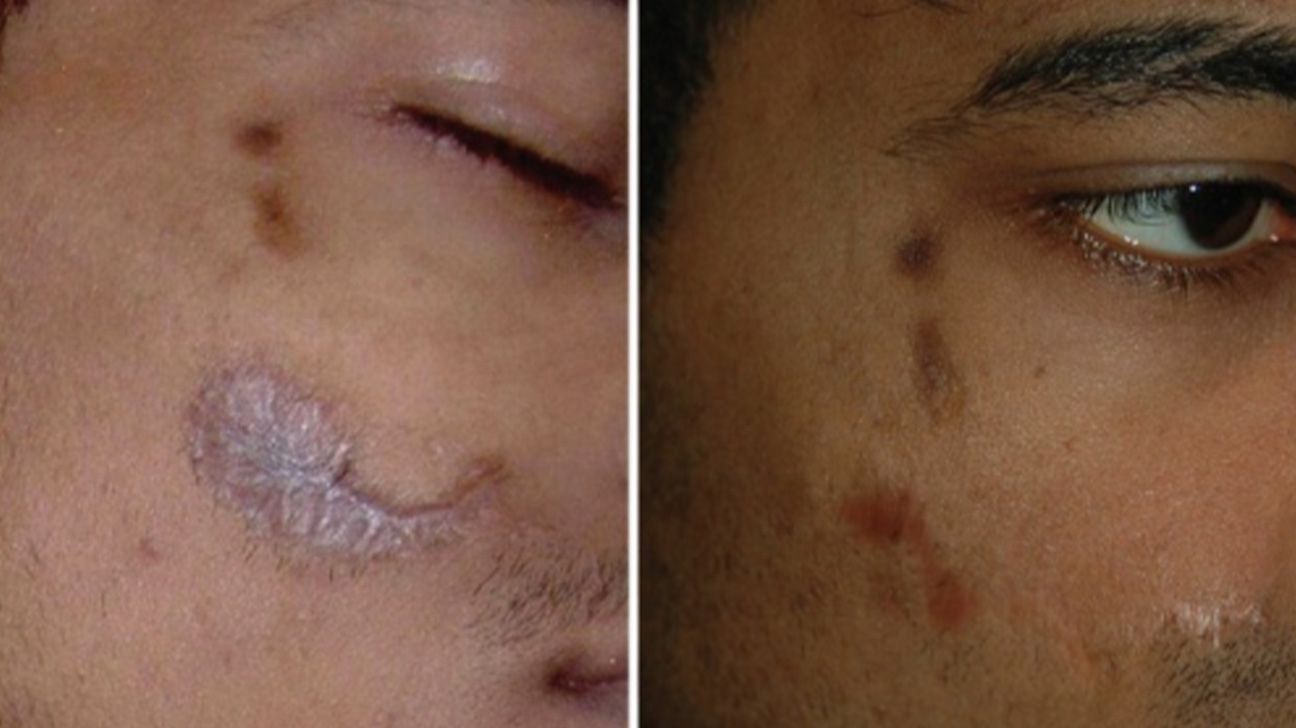
Credit: www.medicalnewstoday.com
Frequently Asked Questions
What Is The Fastest Way To Heal A Chemical Burn On Your Face?
Rinse your face with lukewarm water immediately to remove chemicals. Gently apply petroleum jelly to keep skin moist. Avoid irritating products and sun exposure. Monitor for infection and seek medical help if pain or blistering worsens.
How To Get Rid Of A Burn On Your Face From Skincare?
Cleanse your face gently with lukewarm water. Apply fragrance-free petroleum jelly to keep skin moist. Avoid irritating products and sun exposure. Monitor for infection signs. Consult a doctor if burns worsen or cover a large area.
How Long Does A Chemical Burn From Skincare Take To Heal?
A chemical burn from skincare typically heals in a few days for minor burns. Severe burns may take weeks or months. Healing time depends on burn depth, chemical strength, and treatment. Keep skin clean, moisturized, and avoid irritants to speed recovery.
Seek medical help for severe symptoms.
What Does A Skin Care Chemical Burn Look Like?
A skin care chemical burn appears as redness, blistering, peeling, or flaking skin. It may cause pain and swelling.
Conclusion
Treating a chemical burn on your face needs quick and gentle action. Clean the area carefully and avoid harsh products. Keep the skin moist with ointments like petroleum jelly. Protect your face from the sun to help healing. Watch for signs of infection and seek medical help if needed.
Healing times vary based on burn severity. Patience is key; your skin needs time to recover fully. Following these simple steps can reduce pain and improve healing. Take care, and your skin will thank you.