

Choosing the right skincare routine can feel overwhelming with so many products and advice out there. But here’s the secret: it all starts with understanding your skin’s unique needs.
When you know your skin type and what you want to achieve, picking the right products becomes much simpler—and more effective. Imagine waking up every day with skin that feels healthy, comfortable, and glowing. You’ll learn how to build a simple, personalized skincare routine that fits your lifestyle and goals.
Stick with me, and by the end, you’ll have a clear plan to care for your skin the right way—no guesswork, no wasted products. Let’s get started!
Identify Your Skin Type
Identifying your skin type is the first step to creating an effective skincare routine. Each skin type needs different care to stay healthy and balanced. Knowing your skin type helps you pick the right products and avoid irritation. Take time to observe your skin’s behavior throughout the day. Notice how it feels after washing and what areas feel oily or dry. This simple step guides you to build a routine that works best for your skin’s needs.
Dry Skin Traits And Care
Dry skin feels tight and may peel or flake. It often looks dull and rough. Use gentle, hydrating cleansers that do not strip natural oils. Choose rich moisturizers with ingredients like shea butter or ceramides. Avoid products with alcohol or harsh chemicals. Apply moisturizer right after washing to lock in moisture. Drinking enough water also helps keep skin hydrated from inside.
Oily Skin Traits And Care
Oily skin looks shiny, especially on the forehead, nose, and chin. It may have large pores and be prone to acne or blackheads. Use foaming or gel-based cleansers to remove excess oil. Pick lightweight, oil-free moisturizers that won’t clog pores. Avoid heavy creams or greasy products. Using a toner can help control oil and reduce shine. Keep your skin clean but don’t over-wash, as this can increase oil production.
Combination Skin Traits And Care
Combination skin has oily areas, usually on the T-zone, and dry or normal cheeks. It needs a balanced approach to avoid over-drying or adding too much oil. Use gentle cleansers that clean without stripping moisture. Choose moisturizers that hydrate dry areas but feel light on oily parts. You can use different products on different areas if needed. Regular exfoliation helps keep pores clear without irritating dry spots.
Sensitive Skin Traits And Care
Sensitive skin reacts easily to new products or weather changes. It may become red, itchy, or irritated. Use fragrance-free and hypoallergenic products with simple ingredients. Look for soothing agents like aloe vera or oatmeal. Avoid harsh scrubs or strong acids. Test new products on a small skin patch before full use. Gentle cleansing and moisturizing help protect the skin barrier and reduce flare-ups.

Credit: www.fused.pk
Set Your Skin Goals
Setting clear skin goals guides your skincare choices. Different goals need different products and routines. Knowing what your skin needs helps you pick the right steps. Focus on what matters most to your skin health and appearance.
Start by understanding your skin’s main concerns. Then choose treatments that target those issues. This approach makes your skincare routine effective and easy to follow.
Hydration And Nourishment
Hydrated skin feels soft and looks healthy. Dry skin needs moisturizers that lock in water. Ingredients like hyaluronic acid and glycerin boost hydration. Choose creams or lotions that nourish without clogging pores. Drinking water supports skin hydration from within.
Acne And Blemish Control
Acne-prone skin requires gentle cleansing and spot treatments. Look for products with salicylic acid or benzoyl peroxide. These ingredients help reduce pimples and prevent new ones. Avoid harsh scrubs that irritate skin and cause redness. Consistency in your routine reduces breakouts over time.
Anti-aging And Fine Lines
Anti-aging goals focus on reducing wrinkles and firming skin. Retinol and peptides are popular ingredients for this. They promote collagen and improve skin texture. Sunscreen is vital to protect against sun damage. Use gentle exfoliants to renew skin surface and reveal glow.
Brightening And Even Tone
Brightening products help fade dark spots and improve skin tone. Vitamin C and niacinamide are effective choices. They reduce pigmentation and add radiance. Regular use of sunscreen prevents new discoloration. A smooth, even complexion boosts skin confidence and glow.
Build A Basic Routine
Building a basic skincare routine sets the foundation for healthy skin. It keeps your skin clean, hydrated, and protected every day. Focus on simple steps that fit your skin type and lifestyle. This routine creates balance and prepares your skin for any extra treatments later. Start with essential products that work well together and avoid overwhelming your skin.
Morning Steps
Start your day by washing your face with a gentle cleanser. This removes sweat and oils that built up overnight. Use a moisturizer to keep your skin soft and hydrated. Choose one with SPF to protect against sun damage. Sunscreen is key for preventing wrinkles and dark spots. Apply it even on cloudy days. Keep your morning routine quick and simple for best results.
Evening Steps
In the evening, cleanse your face to remove dirt, makeup, and sunscreen. Use a gentle cleanser to avoid stripping your skin’s natural oils. Follow with a richer moisturizer to help your skin repair itself overnight. Night creams often contain ingredients that boost hydration and support skin renewal. This step helps your skin stay healthy and ready for the next day.
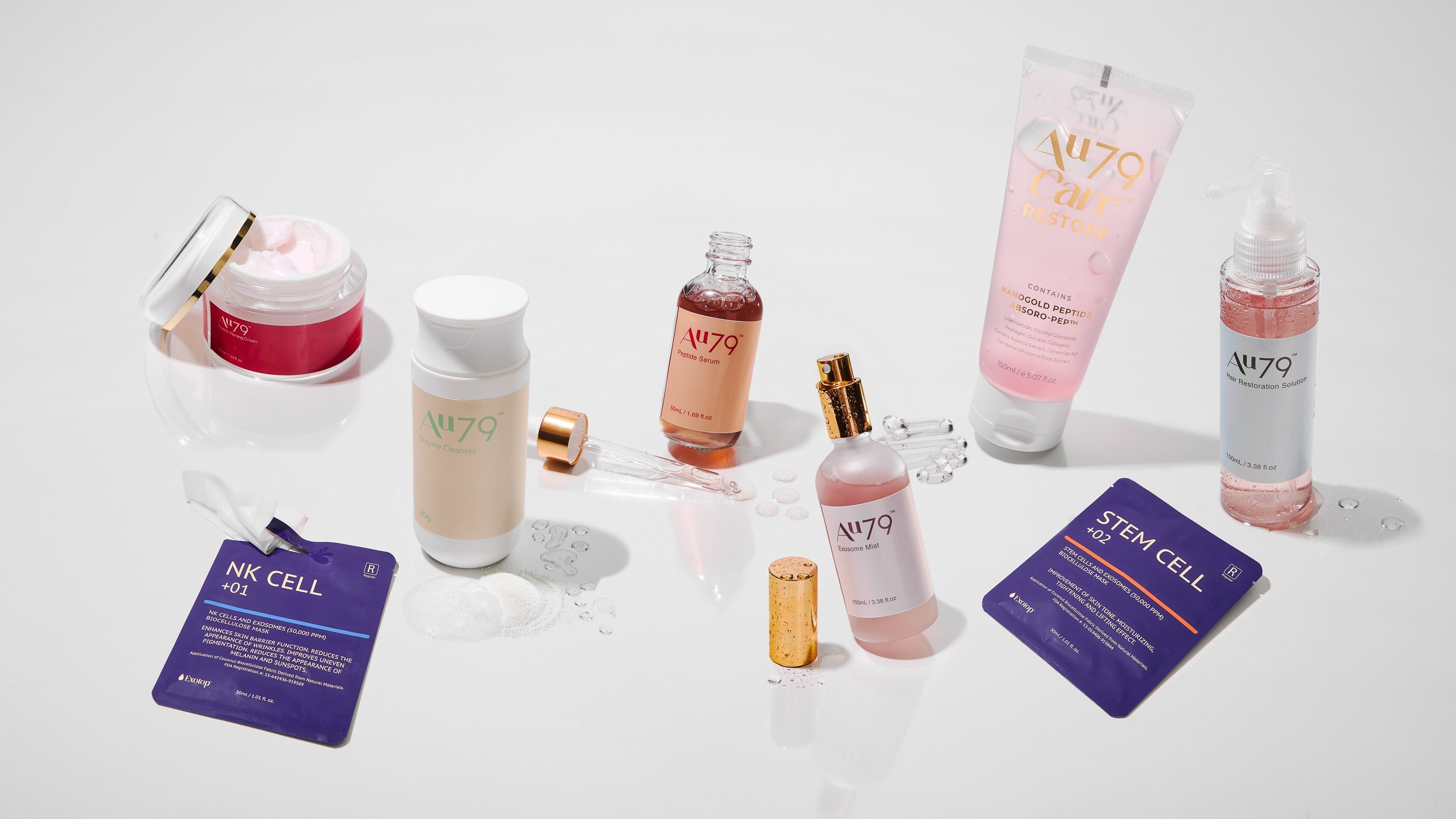
Credit: au79care.com
Add Targeted Treatments
Adding targeted treatments enhances your skincare routine. These products address specific skin concerns beyond basic cleansing and moisturizing. Choose treatments based on your skin goals and type. Use them consistently for best results. Start slowly to see how your skin reacts.
Vitamin C For Brightening
Vitamin C helps brighten dull skin and evens out skin tone. It protects skin from damage caused by sun and pollution. Use a vitamin C serum in the morning before applying sunscreen. This antioxidant supports collagen production and reduces dark spots. Look for stable formulas with L-ascorbic acid for best effects.
Retinol For Renewal
Retinol promotes skin cell turnover and smooths fine lines. It helps reduce acne, wrinkles, and uneven texture. Use retinol at night, starting with low concentration to avoid irritation. Apply a moisturizer after retinol to soothe your skin. Avoid using retinol with vitamin C at the same time.
Hyaluronic Acid For Hydration
Hyaluronic acid draws moisture into the skin and keeps it hydrated. It suits all skin types, especially dry and sensitive skin. Apply a hyaluronic acid serum on damp skin for better absorption. Follow with a moisturizer to lock in hydration. Hydrated skin looks plump and healthy.
Choose The Right Products
Choosing the right skincare products shapes your daily routine and skin health. Start with basics that match your skin type and concerns. Avoid overloading your skin with too many products at once. Focus on gentle, effective formulas that support your skin’s needs. This section covers essential products to begin with: cleansers, moisturizers, and sunscreen.
Selecting Cleansers
Cleansers remove dirt, oil, and makeup without stripping skin. Pick a cleanser based on your skin type. Dry skin benefits from cream or lotion cleansers that add moisture. Oily skin needs foaming or gel cleansers to control shine. Combination skin requires a balanced cleanser that cleans gently but doesn’t dry out. Sensitive skin needs fragrance-free, mild cleansers with soothing ingredients. Use lukewarm water to wash your face and avoid harsh scrubbing.
Picking Moisturizers
Moisturizers keep skin hydrated and protect its barrier. Choose a lightweight, oil-free moisturizer for oily skin to avoid clogging pores. Dry skin needs richer creams with nourishing oils or butters. Combination skin can use gel or lotion moisturizers that hydrate without heaviness. Sensitive skin should use products with calming ingredients like aloe or chamomile. Apply moisturizer while your skin is slightly damp for better absorption.
Sunscreen Essentials
Sunscreen shields skin from harmful UV rays and prevents premature aging. Use a broad-spectrum sunscreen with at least SPF 30 every day. For oily skin, choose a mattifying, non-comedogenic formula. Dry skin benefits from hydrating sunscreens with added moisturizers. Sensitive skin needs mineral sunscreens with zinc oxide or titanium dioxide. Reapply sunscreen every two hours if you are outdoors. Don’t skip sunscreen even on cloudy days.
Test And Adjust Your Routine
Testing and adjusting your skincare routine is essential for healthy skin. Skin can react differently to new products. Careful testing helps avoid irritation and unwanted effects. Adjusting your routine based on results improves skin health over time.
Patch Testing New Products
Patch testing means applying a small amount of product on your inner forearm. Leave it for 24 to 48 hours. Watch for redness, itching, or swelling. No reaction means the product is likely safe to use on your face. This simple step prevents allergic reactions and skin damage.
Using Regimen Builders
Regimen builders guide you to select products that fit your skin type. These tools ask about your skin concerns and goals. They suggest cleansers, moisturizers, and treatments suited for you. Using a regimen builder reduces guesswork. It helps create a balanced routine without overloading your skin.
Maintain Consistency And Patience
Consistency and patience form the foundation of an effective skincare routine. Changes in skin health do not happen overnight. Sticking to your chosen products daily allows your skin to adjust and respond properly. Patience helps you avoid the urge to switch products too quickly, which can disrupt progress and cause irritation.
Regular care supports long-term improvement. Skin cells renew approximately every 28 days, so visible results often take time. Trust the process and give your routine at least four to six weeks before judging its effectiveness. This approach helps you build a habit that benefits your skin and overall wellbeing.
Tracking Progress
Keep a simple journal or use an app to track your skin’s changes. Note the products used, any reactions, and improvements over time. Taking weekly photos under the same lighting can also help you see subtle differences. Tracking progress keeps you motivated and informed about what works best for your skin.
Avoiding Overuse Of Actives
Active ingredients like retinol, acids, and vitamin C are powerful but can irritate skin if overused. Use them as directed, often starting with a few times per week. Gradually increase frequency as your skin builds tolerance. Overusing actives can cause redness, dryness, and breakouts, which slow your progress.
Balance is key. Combine actives with gentle products to protect your skin barrier. This approach prevents damage and supports steady improvement without setbacks.

Credit: bomibox.com
Frequently Asked Questions
What Is The First Step To Choose A Skincare Routine?
The first step is identifying your skin type: dry, oily, combination, or sensitive. This helps select suitable products and avoid irritation. Knowing your skin type ensures your routine addresses your skin’s unique needs effectively.
How To Build A Basic Daily Skincare Routine?
Start with three steps: cleanse, moisturize, and apply sunscreen in the morning. At night, cleanse again and use a richer moisturizer. This foundation maintains skin health and prepares it for any specialized treatments.
When Should I Add Active Ingredients To My Routine?
Add active ingredients like Vitamin C or retinol only after mastering the basics. Start slowly to avoid irritation and monitor your skin’s response. Active treatments target specific concerns like aging, acne, or pigmentation.
How Do I Choose Products For Sensitive Skin?
Choose fragrance-free products with minimal ingredients. Look for soothing elements like oats or aloe. Patch-test new products on your inner forearm to prevent adverse reactions before full application.
Conclusion
Choosing the right skincare routine takes time and patience. Start simple with cleansing, moisturizing, and sunscreen. Know your skin type to pick suitable products. Add treatments slowly, only after your skin adjusts. Test new products on a small skin patch first.
Consistency matters more than quick fixes. Healthy skin shows with regular care and attention. Keep learning and adjusting as your skin changes. Your best routine fits your unique skin needs.